
Waste Collection
Modern Services for a Cleaner Community
Efficient waste management is one of the most important services for the health, comfort, and sustainable development of a community. Through its daily activity, Sylevy Cleaning contributes to maintaining a clean environment and to the responsible recovery of resources through separate waste collection.
Our services are intended for both residential and non-residential users and are carried out using a modern fleet and advanced technologies that allow the entire collection process to be monitored, optimized, and made more efficient.
Services for Residential Users
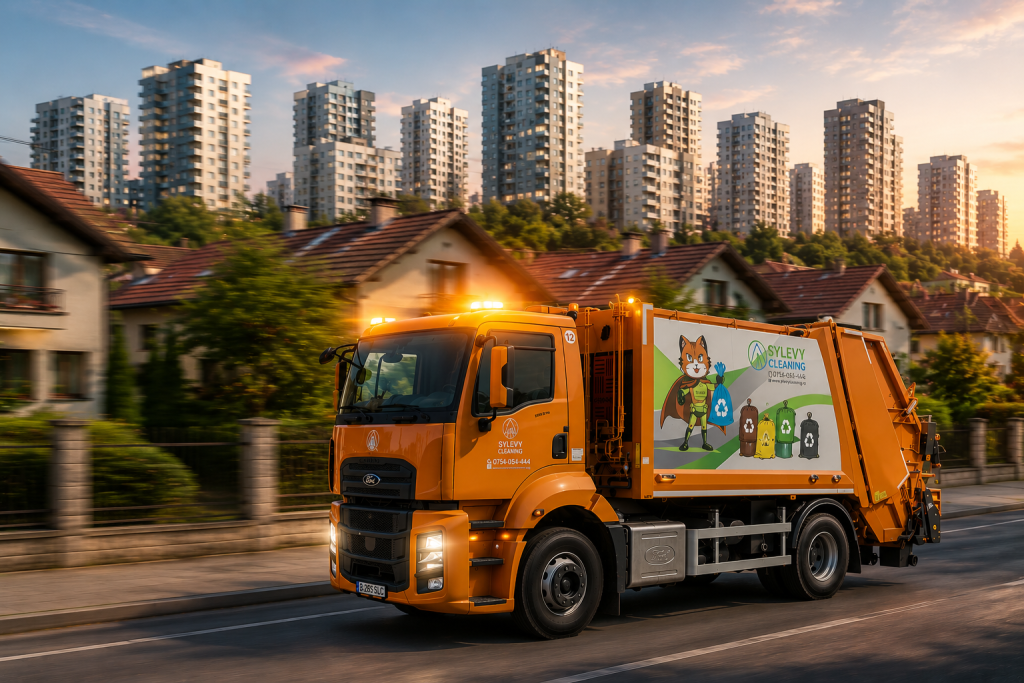
For single-family households and multi-family residential buildings, we provide regular waste collection according to the schedules established at local level.
Separate collection is the foundation of an efficient waste recovery system. By following the sorting rules, each citizen contributes to reducing the amount of waste sent to landfill and to protecting the environment.
Services for Non-Residential Users
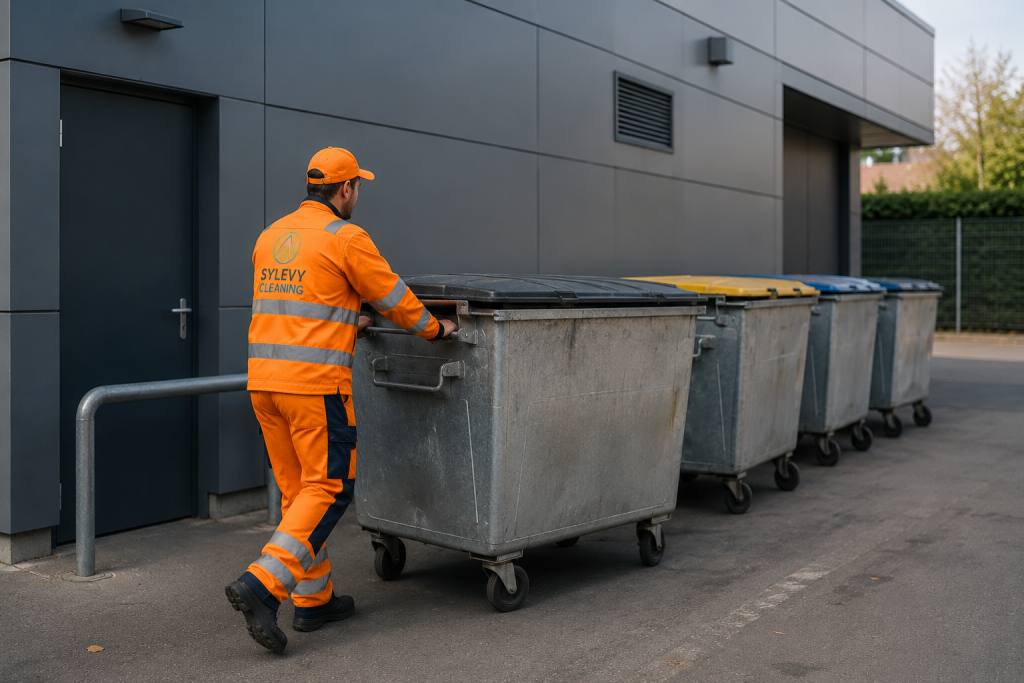
Sylevy Cleaning provides waste collection and transport for businesses, institutions, and organizations, offering solutions adapted to the operational requirements and volumes generated by each beneficiary.
Depending on the specific activity carried out, we implement customized services that contribute to efficient, compliant, and sustainable waste management.
The 6 Permanently Collected Fractions
To enable recycling and material recovery, waste is collected separately into six distinct fractions.
Residual Waste
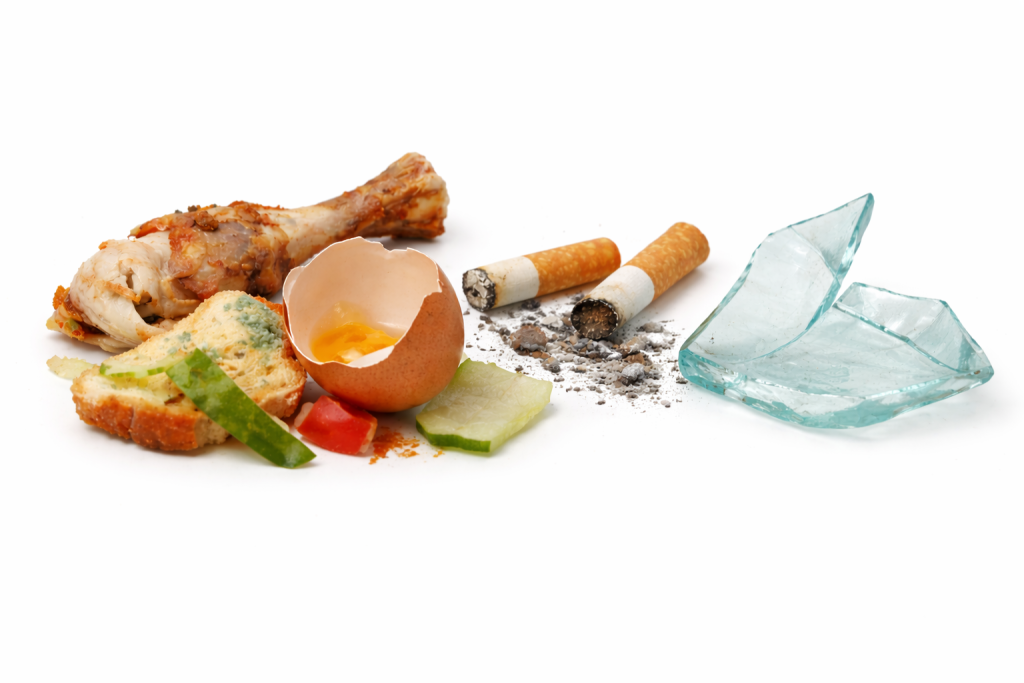
Waste that cannot be recycled through existing systems and requires controlled disposal.
Biowaste

Plant waste and other biodegradable waste that can be turned into compost or recovered for energy.
Paper / Cardboard
Clean boxes, packaging, newspapers, magazines, and other paper and cardboard products.
Plastic
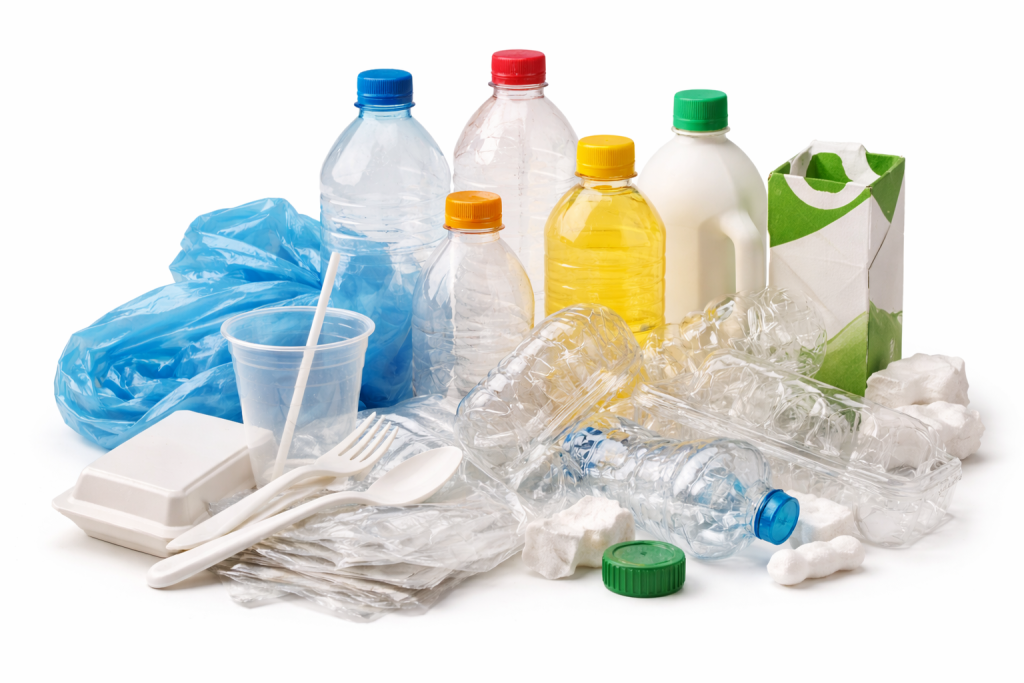
Plastic packaging, PET bottles, containers, and other recyclable plastic materials.
Metal
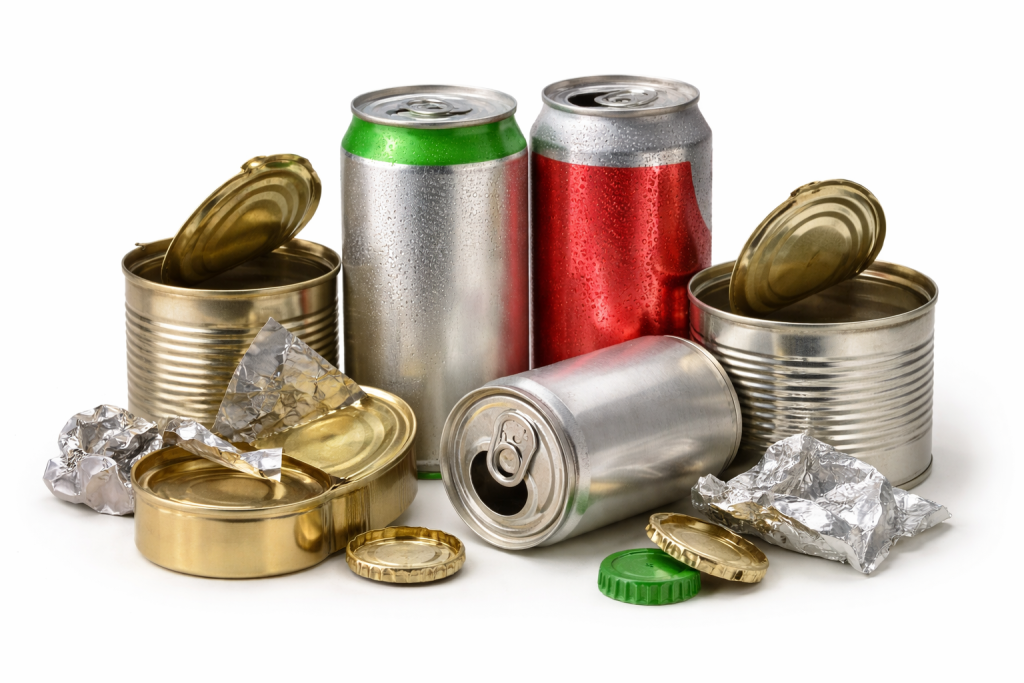
Aluminium cans, tin cans, and other metal packaging.
Glass Packaging
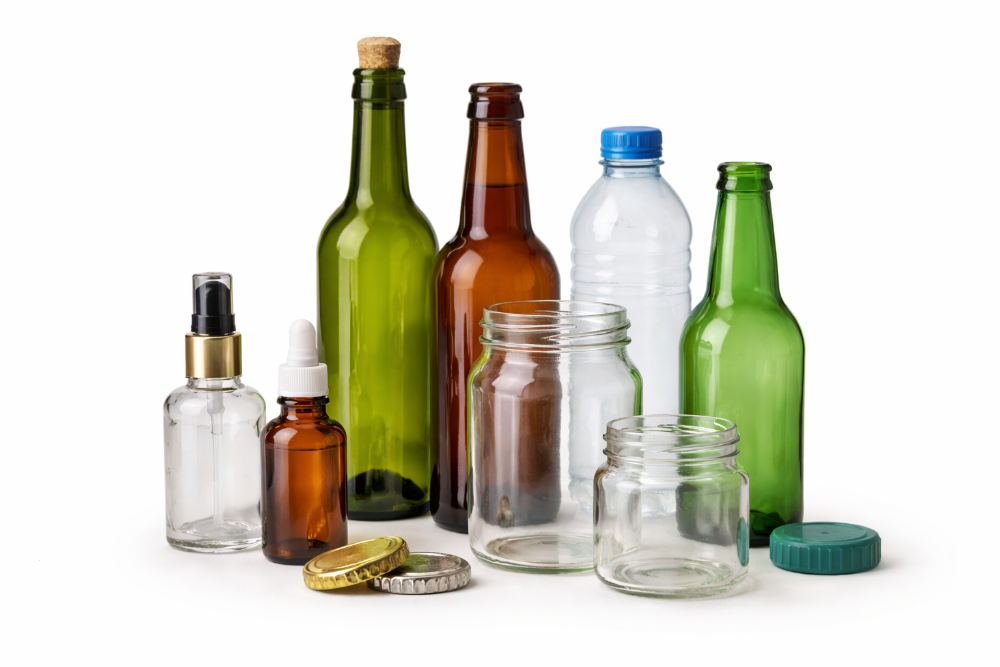
Glass bottles and jars that can be recycled and turned into new products.
Special Collection Campaigns
In addition to the permanent collection of the six fractions, we periodically organize campaigns dedicated to waste that requires special handling conditions.
Bulky Waste
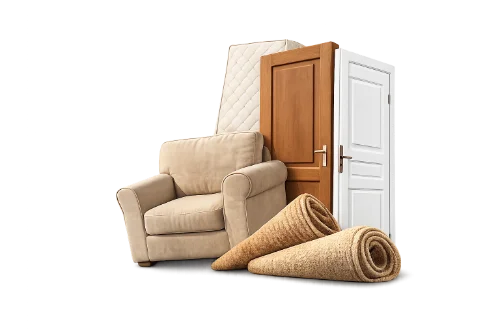
Furniture, mattresses, sofas, carpets, and other large items that cannot be placed in regular containers.
Hazardous Waste
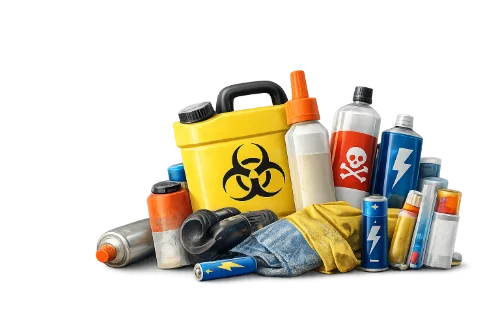
Batteries, accumulators, chemical products, containers with paint, varnish, and other waste that requires special treatment in order to protect the environment and public health.
Textile Waste
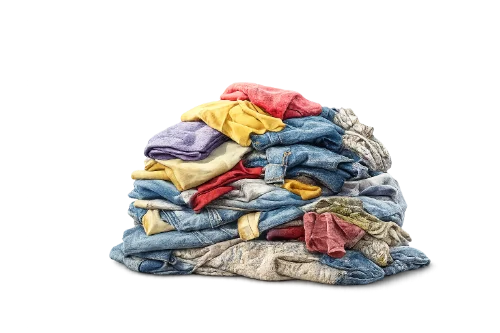
Clothing, footwear, and other textile materials that can be reused or recycled.
Info: campaigns are announced periodically, and information regarding collection periods and handover methods is published in the dedicated section.
Modern Technology for Efficient Services

Ultra-Modern Fleet
Collection activities are carried out using a modern fleet of specialized vehicles compliant with the Euro 6 emissions standard, one of the strictest standards regarding pollutant emissions.
The vehicles are equipped with high-performance collection and monitoring systems that allow operations to be carried out with maximum efficiency and reduced environmental impact.
By using modern specialized vehicles, we reduce fuel consumption, carbon emissions, and the time required to carry out collection operations.
Smart RFID Identification
To increase transparency and service quality, we use RFID technology, meaning Radio Frequency Identification.
The containers and bags used for collection are identified through unique electronic chips, which allow the automatic recording of the operations performed.
The RFID system provides:
• precise identification of collection points;
• traceability of completed operations;
• reduction of human errors;
• real-time monitoring of activities;
• improvement of the quality of the services provided.

Smart Routing and Route Optimization
To plan our activities, we use a modern routing system based on advanced optimization algorithms.
It simultaneously analyzes:
• the location of collection points;
• the types of waste collected;
• the capacity of specialized vehicles;
• the estimated duration of operations;
• historical data regarding collection activity.
Based on this information, optimal routes are automatically generated for each team, reducing the kilometres travelled and the operating time.
The result is a more efficient, faster, and more environmentally friendly service.
Real-Time Monitoring and Control
The specialized vehicles are equipped with tracking and monitoring systems that allow activities to be followed in real time.
The data collected contributes to the continuous optimization of processes and to increasing the level of transparency and operational performance.


