Waste Collection Guide

Recycling starts with the proper sorting of waste. To support selective waste collection, municipal waste is divided into six main fractions: residual waste, biowaste, paper and cardboard, plastic, metal, and glass.

Each fraction has its own recovery process, which means it also has its own collection rules and dedicated container, bin, or bag. Below, you will find detailed information about each category, including examples of waste accepted for collection and later treatment or recovery, as well as examples of items and materials that must not be placed in these containers.

Certain types of waste are collected separately through occasional collection campaigns, such as bulky waste, hazardous waste, textile waste, WEEE — waste electrical and electronic equipment — and other similar categories.

Our company is required to be familiar with the waste acceptance criteria of each facility where separately collected waste is delivered. We must also carry out a visual inspection to ensure that the collected waste complies with these criteria.

If the waste does not meet the required criteria, the respective waste fraction may be refused at collection. In this case, the responsibility for proper sorting remains with the waste generator, namely the citizen.

Municipal waste collected on a regular basis, according to the collection schedules and divided into the six main fractions, is transported to the treatment facility known as the Cristești-Vălureni Sorting, Composting and Transfer Station.

This facility is managed by a delegated operator within the Integrated Solid Waste Management System of Mureș County, coordinated by the Ecolect Mureș Intercommunity Development Association.

Municipal waste collected occasionally, such as bulky waste, hazardous waste, textile waste, WEEE and other similar categories, is transported and recovered through authorised operators with whom our company has separate contractual agreements.
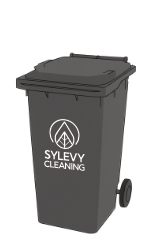
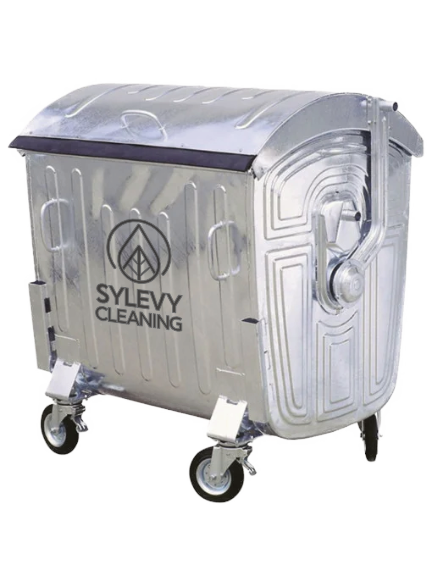
Residual Waste

Pubelă neagră
All waste that cannot be recovered or recycled

• food leftovers, eggshells, bones, meat, fish;

• hygiene waste, such as used tissues, diapers and sanitary pads;

• cigarette butts, ash from stoves, if materials other than wood, such as coal, are also burned;

• residues from cleaning activities, such as sweeping or vacuuming;

• packaging contaminated with food residues, such as pizza boxes, thermal paper such as receipts, photo paper, adhesive paper or glossy paper;

• small toys made of mixed materials;

• small shards from breakable objects that are not glass packaging, such as glass, ceramic or porcelain tableware, broken windows and broken mirrors.

Biowaste

Pubelă neagră
For waste that can be composted

• plant-based kitchen waste, such as fresh or cooked fruit and vegetables, as well as bread, cereals, coffee grounds and tea, including tea bags;

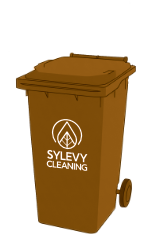
• plant waste from gardens or households, such as grass, flowers, leaves and small branches, provided that the quantities are small enough to fit inside the brown bin collected weekly;

• large plant waste from parks, gardens and cemeteries, uncontaminated by plastic, metal or other materials, provided that it is tied with string. This type of waste may be collected for a fee at the request of the waste generator or free of charge during seasonal campaigns organised by local public authorities.

Paper / Cardboard

Pubelă neagră
Cut into pieces or folded, please!

• magazines, newspapers, books;

• planners, notebooks, folders without metal fasteners, envelopes and sheets of paper;

• packaging boxes from household appliances.

IT IS PROHIBITED to place cardboard packaging contaminated with food residues, used paper and tissues, thermal paper such as receipts, photo paper, glossy paper or wrapping paper in this bag or container.

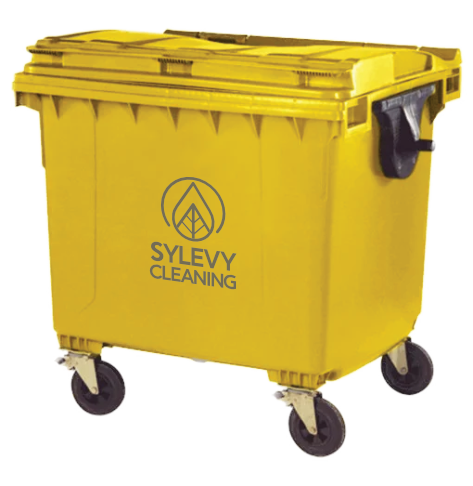
Plastic

Pubelă neagră

Rinse and compress the packaging!

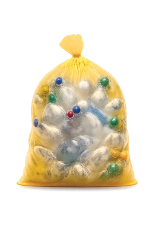
• PET bottles, plastic cans and boxes, plastic film, plastic bags, polystyrene or plastic protective packaging, single-use plates and cutlery, Tetra Pak packaging such as milk or juice cartons, etc.

IT IS PROHIBITED to place packaging made of multiple materials, such as metal and plastic, plastic toys, contaminated polystyrene from construction activities, plastic containers or cans containing residues of paint, thinners or other hazardous chemical substances, or medical waste such as syringes, infusion sets and medicine blister packs in this bag or container.


Metal

Pubelă neagră

Make sure to rinse the cans!

• aluminium cans and food cans;

• metal lids and aluminium foil.

IT IS PROHIBITED to place medical waste such as needles, or waste from interior renovation works such as metal cans or containers with residues of paint, thinners or other hazardous chemical substances, in this bag or container.

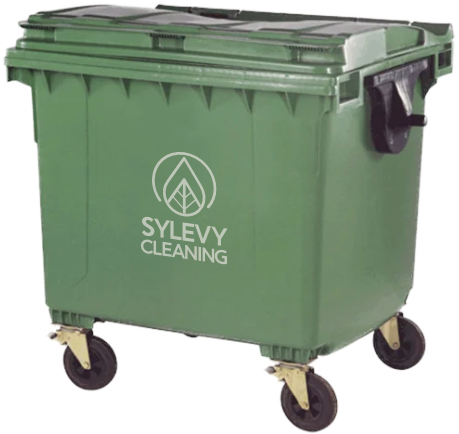
Glass Packaging

Pubelă neagră

Rinse them and please do not break them!

• glass packaging from alcoholic and non-alcoholic beverages, glass packaging from cosmetic products, and glass packaging from kitchen activities, such as jars and demijohns.

IT IS PROHIBITED to place mirrors, window glass, porcelain, ceramic or crystal products, heat-resistant dishes, fluorescent tubes or light bulbs in this bag or container.

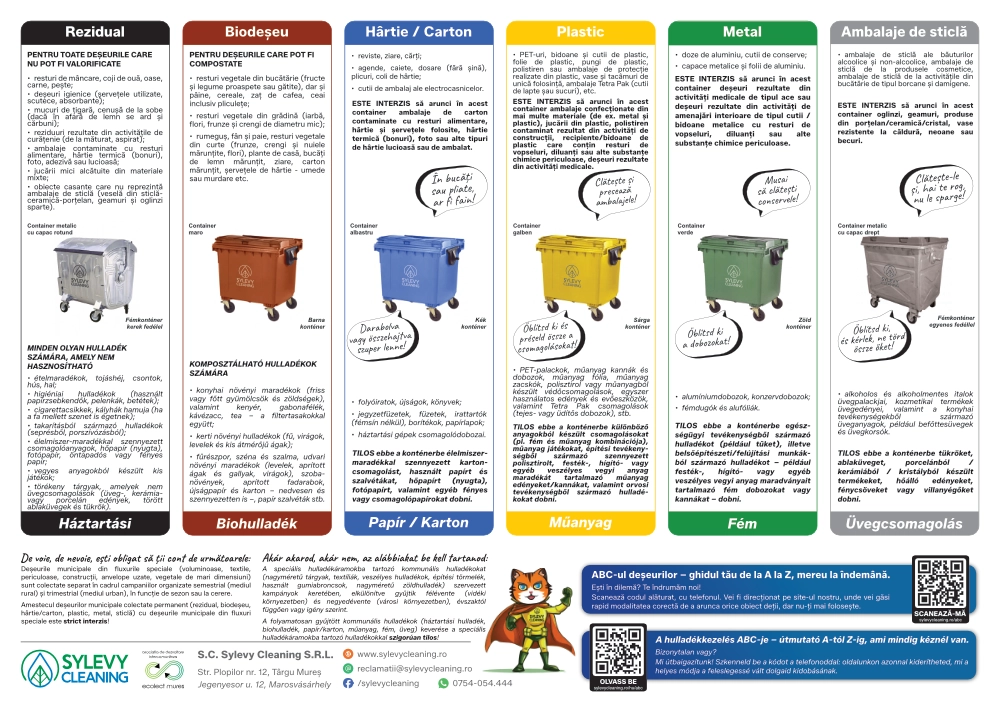
The ABC of Waste Sorting

Not sure where a certain type of waste should be disposed of? Check the Waste Sorting ABC to quickly find the answer.

Ghid pentru colectarea corectă a deșeurilor – ABC-ul deșeurilor

Download guides and information materials

Essential Guide (RO)

for separate waste collection for single-family households

Essential Guide (HU)

for separate waste collection for single-family households

A3 Poster (RO/HU)

for separate waste collection for multi-family households, such as apartment buildings